Australian Town Names - Bush, Coast, and Outback Settlements
Generate Australian town names from gold rush boom towns, coastal communities, red outback settlements, and the Indigenous place names beneath all of them. The naming culture belongs to a country where most people live on the coast while vast inland distances keep older names, station names, and mining names in daily use.
How Australian Towns Got Their Names
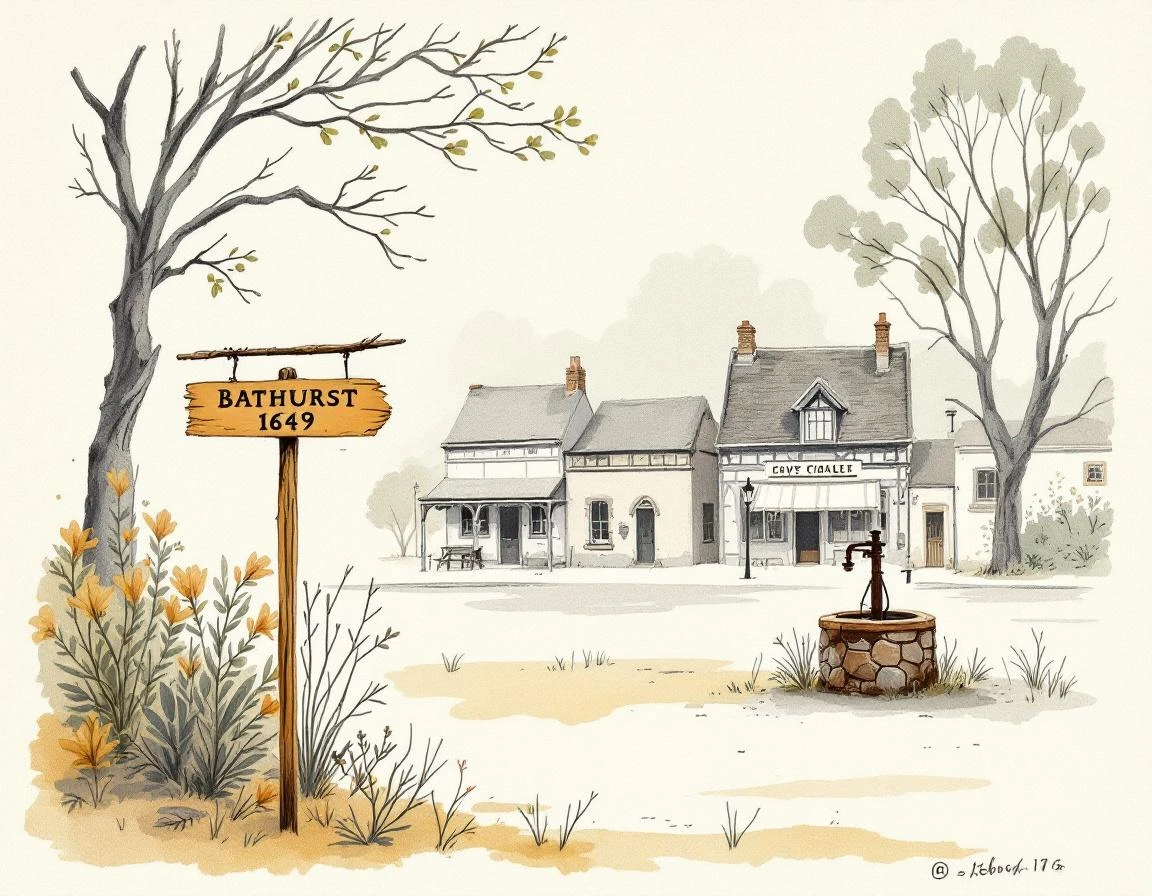
Australian town naming follows several distinct traditions. The first wave of colonial naming was either direct transfer (Parramatta, Toowoomba, Wollongong - corrupted Indigenous names), nostalgic British naming (Sydney, Melbourne, Hobart, Adelaide - named for English officials and royalty), or descriptive naming (*Broken Hill* - the ridge early prospectors found broken and exposed; *Mount Isa* - named from a combination of its geology and its appearance). The gold rush of the 1850s produced a wave of names with a specific optimistic urgency: Ballarat, Bendigo, Castlemaine, Maldon, Clunes - given to rapidly forming settlements where thousands arrived hoping to be in the right place before the gold ran out. The Californian parallel (California 1849, Victoria 1851) produced similar dynamics: some names stuck, some towns became ghost towns. Outback station names have their own character. They are the names of large pastoral properties that function as geographic reference points across vast distances. *Birdsville*, *Innamincka*, *Tibooburra*, *Mootwingee* - some from Indigenous languages, some from explorers, some simply descriptive. A single station name can extend across an area that would constitute a significant county in Europe.
Surf Coasts and Country Towns
Australian coastal naming shows the Anglo-Celtic settlers' relationship to the sea with some clarity. Surf towns carry names like *Wollongong* (from the Dharawal language, now a major city), *Byron Bay* (named for the poet Byron's grandfather, an Admiral), *Noosa Heads* (from the Kabi Kabi tongue, meaning "shady place"), and *Torquay* (lifted from the Devon seaside resort, a pattern repeated along the coast wherever settlers wanted the old country close at hand). The Australian country town is a distinct social institution - smaller than a regional centre, large enough to have a pub, a general store, the local agricultural service infrastructure, a primary school, and the tacit understanding that everyone knows everyone's business. Towns of 500 to 3,000 people dot the landscape at railway-stop intervals from the settlement era. The dying inland town is a specific contemporary Australian narrative: the young leaving, the facilities closing one by one (the last bank, the last doctor, the last service station), the older population holding on. The names these towns carry were coined in a different mood entirely - *Prosperity*, *Abundance*, *Hopetoun* - the founding era's optimism now sitting awkwardly against what remains.
Using the Generator
For historical Australian settings (the convict period of Sydney's early Port Jackson settlements, Norfolk Island, and Van Diemen's Land/Tasmania), the gold rush, the federation era, the bushranging period), town names ground the setting in specific regions and eras. For contemporary Australian settings, the metropolitan-versus-regional divide shapes many stories: the character who comes from a country town to the city and carries that origin; the city person who moves to the country and misunderstands it; the regional person who never moved and has opinions about both. For outback and remote settings (the stations, the Indigenous lands, the mining operations, the roadhouses at vast distances from each other), naming reflects the specific character of Australian remoteness.
Australian Town Names: A Working Naming Guide
Australian town names should feel used, not arranged. Start with the ground: coastal suburbs, sheep stations, goldfields, desert roadhouses, river towns, mining camps, and tropical ports. Then decide what sort of place is being named, because a gold rush town, station settlement, beach suburb, mining camp, roadhouse, or river municipality asks for a different kind of word than a capital or a ruin. The generator can give you a quick spread, but the choice still has to sound like someone could say it while giving directions, filing a complaint, selling grain, dodging patrols, or pointing at a storm line. Keep a few candidates that disagree with each other. One may sound plain; another may feel like a mapmaker cleaned it up too much. That friction is useful.
Who Gets to Name the Place
Pick the naming authority before you fall in love with the syllables. Locals keep names in ways officials rarely predict. A tax office wants tidy spelling. A drover wants speed. A Traditional Owner, elder, surveyor, station manager, miner, council clerk, or company lawyer may all have a reason to push a different version. For Australian town names, the useful candidate usually reveals who got to write the sign and who kept saying the older word anyway. Read the name in a sentence of dialogue. If every character would pronounce it the same way, the place may be too clean.
Language Care Before Style
English settler names, Indigenous names, altered colonial spellings, Irish and Scottish memorials, and resort labels all sit on land with prior naming. This is where many generated names go wrong. They borrow surface sound while ignoring who owns the language, whether the place is real, and what history the word may touch. Fiction gives you room to invent, but it does not make every source available for casual decoration. If you need a real cultural reference, narrow it to a specific region and period. If you are making a secondary world, decide what parts of the naming logic you are adapting and what parts you are leaving alone.
The Work Inside the Name
The town needs work inside it. Maybe people came for a ferry, a mine, a shrine, pasture, a school, a harbor, a wall, or a road that cut through older country. Maybe they stayed because leaving cost too much. Let that practical reason roughen the name. A good result can hold an official story and a private one at the same time: the polished name on the station board, the clipped version in a market, the older name used at home, the insult outsiders keep repeating. That layered feel matters more than a rare letter combination.
The Scene Test
Before keeping a result, run it through a small scene. Put it on a fire warning, in a grandmother's warning, on a road train manifest, and in the mouth of someone who wants the place forgotten. For Australian town names, the winner should make one concrete promise about geography, class, danger, faith, trade, or memory. It should also leave room for a writer to disagree with it later. Town names age. They get translated badly, painted over, shortened by children, revived by activists, sold by developers, or cursed by people who left. Choose the one that can survive that kind of handling.