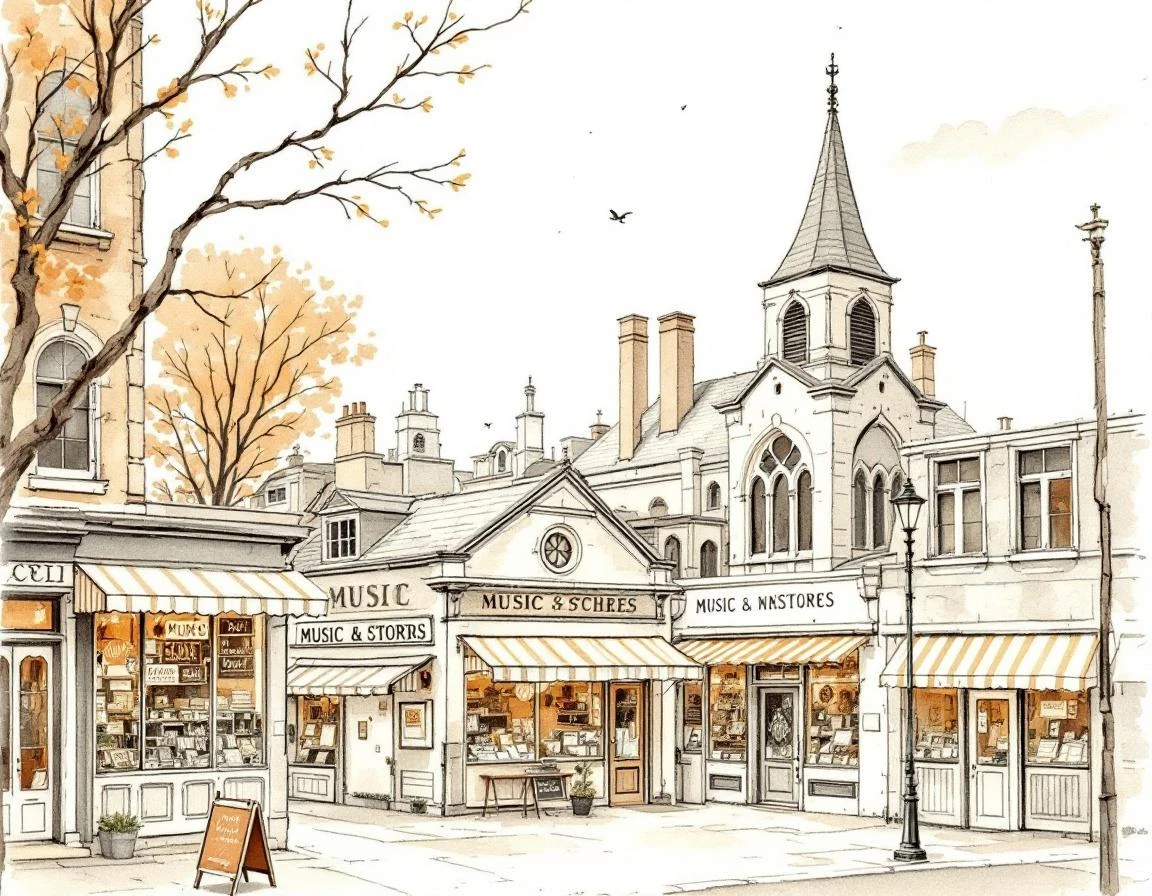

Music Store Name Generator
A music store name has to do more than identify a category. It has to sound like it belongs to players, repair techs, teachers, gig flyers, and teenagers who say the name like a password. For Music Store, the useful pressure is music store names shaped by instruments, taste, lessons, scene identity, repair work, and the kind of scenes they need to survive. That calls for names with a visible reason to exist: a founder, an amp hum, a record bin, a lesson room, a famous gig, a repair bench, or a local nickname that became official. The generator is best used as a way to test those pressures quickly. Read a result as if it were already on a gig flyer, then read it as if someone had to write it on a repair ticket. The name that survives both readings is usually the one worth keeping.
What Music Store Names Need to Carry
Music Store naming works through concrete cues before it works through lore. Think about guitar hooks, sheet music bins, amp hum, lesson rooms, vinyl sleeves. Those details give the name a job. They tell the reader whether the place is beginner-friendly or insider-heavy, new or inherited, polished or half-repaired, cheap or precious. A bare descriptive name can work if the place is blunt by nature. A more lyrical name can work if the shop would actually tolerate lyricism. The mistake is choosing a phrase that sounds attractive while refusing to answer who uses it and why it stuck.
The Voice on the Sign
Every place name has a speaker hidden inside it. An owner names differently from a repair tech, a teacher, a teenager, a touring musician, a franchise manager, or a scene elder. For a music store, decide whose voice reached the sign first and whose voice changed it later. Official names often preserve promise. Local names preserve convenience, resentment, affection, or pride. If the generator gives you a formal result, try the gig-flyer shorthand beside it. If it gives you something rough, imagine the receipt version. The tension between the two is often where the setting starts to feel specific.
When the Category Should Show
Sometimes the word everyone expects belongs in the name; sometimes it turns the result flat. A music store name can announce itself plainly when clarity matters, especially for lessons, repairs, local search, and delivery routes. But fiction often benefits from one step of indirection. A name can imply taste, scene identity, and instruments people try before buying through texture instead of explanation. The reader does not need the whole history on the sign. One good noun, a sound, a founder name, or a strange surviving adjective can do cleaner work than a label that repeats the generator category.
How to Choose a Music Store Name That Holds Up
The shortlist should disagree with itself. If every result has the same rhythm, the same polished ending, or the same mood, you have a pile of variants rather than choices. For Music Store, build a small spread: one plain name, one old-sounding name, one local nickname, one official version, and one result that feels slightly risky. Then put each into a gig flyer, a repair ticket, and a teenager saying the name like a password. Names reveal their weaknesses in use. A candidate that looks handsome alone may become theatrical in dialogue. Another may look ordinary on the page but suddenly feel exact when attached to a permit, a rumor, a menu, a warning sign, a chart, or a memory.
Read It in Three Registers
Test the name in narration, dialogue, and paperwork. Narration asks whether the rhythm sits cleanly in a sentence. Dialogue asks whether a person would actually say it. Paperwork asks whether the name can survive boring reality: receipts, repair tickets, lesson rosters, maps, plaques, delivery labels, incident reports. Music Store names often fail because they only work in one register. A draft gains texture when the official form and the spoken form both feel available, even if you only use one on the page.
Let Use Wear It Down
Good names acquire scuffs. Regulars clip them, outsiders pronounce them too carefully, receipts restore the long version when money is involved. Try shortening each result by one word or one syllable. Try making it older, cheaper, louder, more polished, or more beloved. For a music store, small changes can move the name from ad-facing to workaday, from mythic to practical, from credible to overbuilt. Keep the version that seems to have been handled by use rather than protected from it.
Avoid Names That Explain Themselves Too Loudly
A name that tells the reader exactly what to feel leaves no room for discovery. Words like grand, secret, enchanted, ultimate, perfect, and legendary often flatten the thing they are trying to elevate. The stronger move is to let a physical or social detail do the work: guitar hooks, sheet music bins, amp hum. If a result needs a paragraph of private explanation before it sounds right, save the explanation for the worldbuilding notes and choose a cleaner name for the draft.
Music Store Names in Worldbuilding and Story
A name becomes more useful when it gives the next scene a handle. Music Store can suggest who pays, who is excluded, who remembers the old version, who profits from the current one, and who refuses to use it. That is why the best result is rarely the most decorative. It is the one that helps a sentence turn. A character can hesitate before saying it, mock it, mispronounce it, hide behind it, inherit it, or cross it off a ledger. Once a name can take an action, it stops being a label and starts behaving like part of the setting.
Use History Without Dumping It
You do not need to explain the full origin of a music store name. Let the name imply a layer and move on. A founder, a broken amp, a record bin, a closed venue, a famous teacher, a failed chain, a border dispute, or a local joke can all leave a mark. Readers are good at sensing that kind of sediment. For Music Store, a single grounded reference usually beats a stack of impressive words. The name should invite curiosity, not stop the scene so it can be admired.
Match Neighboring Names
Names live in systems. If the surrounding map uses clipped, practical names, one ornate result will look like costume jewelry. If the setting favors ceremonial compounds, a blunt modern label may be the odd one out unless that contrast is intentional. Place Music Store beside two nearby streets, towns, districts, landmarks, institutions, or businesses. The right answer should feel related without copying their endings. Sister names share ancestry; lazy names share a template.
Keep Room for the Reader
The name should not solve every mystery. Leave a little gap between the word and the shop. That gap is where the reader starts making inferences: why this founder name survived, why the old nickname is still used, why the official title sounds defensive, why the beautiful name makes regulars smile. For a music store, ambiguity is useful when it is anchored in something concrete. Vague mystery drifts; specific uncertainty pulls.
A Practical Revision Pass for Music Store
After generating, choose five candidates and treat them like draft material rather than final answers. Mark what each one promises. One may suggest age. One may suggest commerce. One may suggest secrecy, ceremony, cheapness, danger, hospitality, science, grief, or civic pride. Then remove the weakest word from each. If the name improves, the removed word was decoration. If it collapses, that word was carrying load. This pass is quick, but it prevents the common mistake of keeping the shiniest option just because it looked finished when it arrived.
Change One Variable at a Time
Alter sound before meaning. Harden a consonant, soften a vowel, shorten a compound, swap a formal suffix for a shop one, or move the sound word to the front. Then test meaning: founder name versus instrument, instrument versus scene, scene versus nickname. For a music store, those changes can shift class, age, ownership, genre, or audience with surprising force. Keep notes on what changed. The notes become useful when you need related names later.
Check the Spoken Version
A name that cannot be spoken naturally will keep snagging on the prose. Say it as a warning, a recommendation, an insult, a destination, and a line on a bill. Say it fast. Say it with the wrong accent. Say it as someone who has known the place for twenty years. Music Store names do not need to be plain, but they do need a believable mouthfeel. If every spoken test sounds like a title card, the name belongs in the maybe pile.
Choose the Name That Creates Less Explanation
The final choice should make the setting easier to write. It should give you a sharper entrance, a more specific repair ticket, a cleaner line of dialogue, or a better clue about the people around it. For Music Store, that means serving the brief without sounding brief-shaped: music store names shaped by instruments, taste, lessons, scene identity, repair work, and the kind of scenes they need to survive. A strong name leaves the writer with more useful constraints and fewer explanations. The page can move on because the place already feels named by its own world.